An informed decision
Filler safety and contraindications
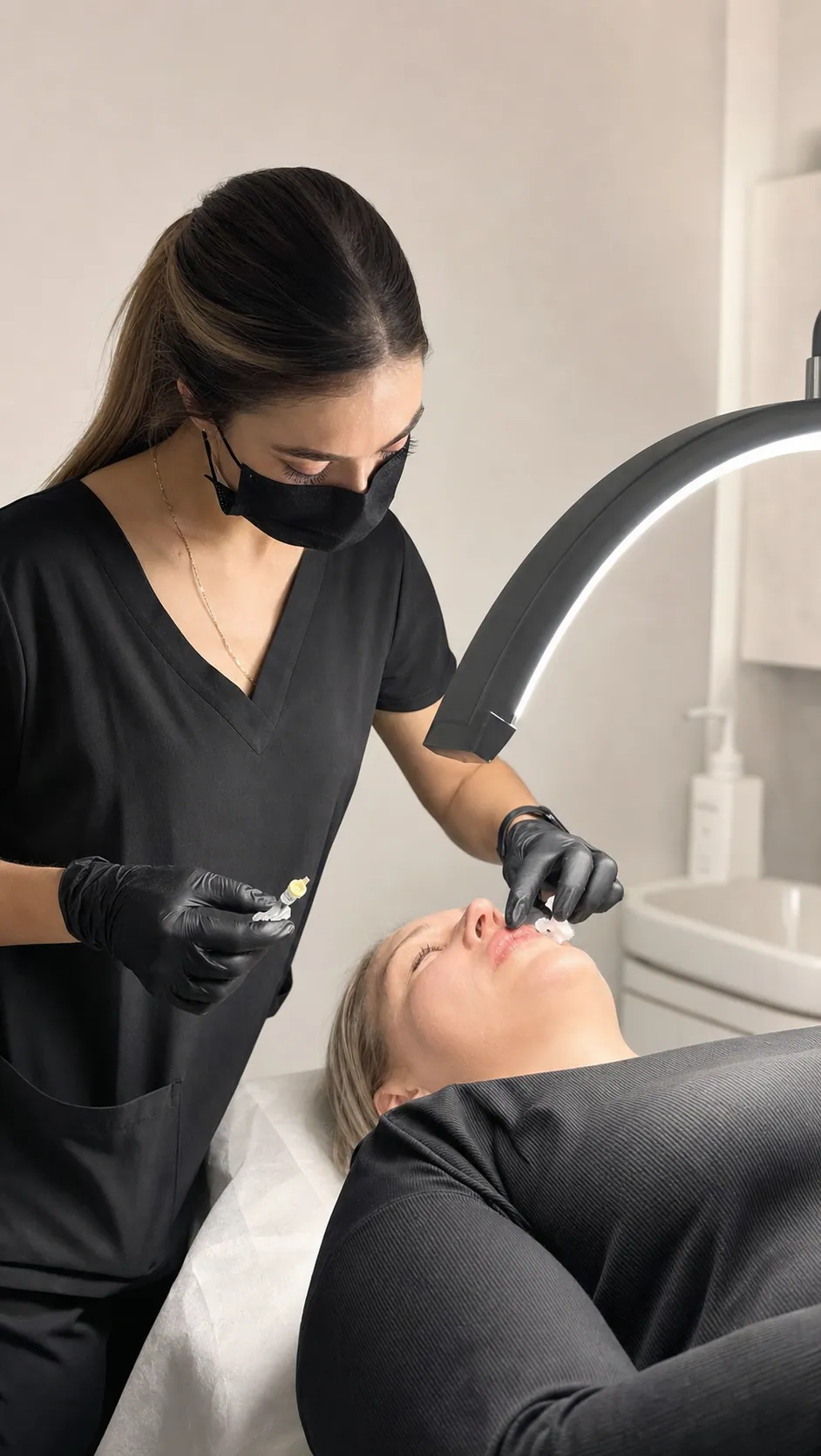
Filler is a healthcare procedure with benefits and risks. A safe decision requires an individual assessment, suitable product, anatomical knowledge and a clear follow-up plan.
Common temporary reactions
Swelling, redness, tenderness, pain, itching or bruising may occur around injection points.
Rare serious risks
Accidental injection into a blood vessel can impair circulation and rarely cause tissue injury, vision problems or other serious complications.
When treatment is postponed
Final suitability is assessed during consultation. Treatment is generally not performed during pregnancy or breastfeeding, with active infection or where health, medication, allergy or previous reaction makes it unsuitable.
- Active inflammation, rash or herpes
- Pregnancy or breastfeeding
- Relevant hypersensitivity
- Bleeding disorder or another identified risk
What should I ask?
Ask which product is used, why it is suitable, expected duration, common reactions, serious risks and how complications are managed.
Frequently asked questions
Clear answers to common questions
Is filler risk-free?
No. Careful assessment and a qualified healthcare professional reduce risk but cannot remove it completely.
Can filler be dissolved?
Hyaluronic-acid filler may sometimes be treated with hyaluronidase after professional assessment.
Why must I disclose medication?
Medication and illness may affect bleeding, healing, infection risk or suitability.
Verified BeautyBell information
Check these details before booking
Prices and products
Prices and productsKaterina Gorbell and qualifications
Katerina Gorbell and qualificationsTammisto, Vantaa
Tammisto, VantaaArabianranta, Helsinki
Arabianranta, HelsinkiFree photo consultation
Free photo consultationKnowledge centre
Related articles
Filler migration
What migration means, what it may look like and how it is professionally assessed.
Read the articleDissolving filler
When filler dissolving may be considered, how hyaluronidase works and which risks are involved.
Read the articleCold sores and lip filler
Why a history of cold sores matters before lip filler and when treatment must be postponed.
Read the articleNext step
Get a personal assessment before deciding.
This guide does not replace an individual suitability assessment at the clinic.